Not the Summit, the Deadline: How a US-China Trade Deal Happens
When President Trump and Xi met in September, the VICO model called the meeting’s results before they happened. Now, the model is forecasting what a historic trilateral meeting between Trump, Xi, and Putin is likely to bring.
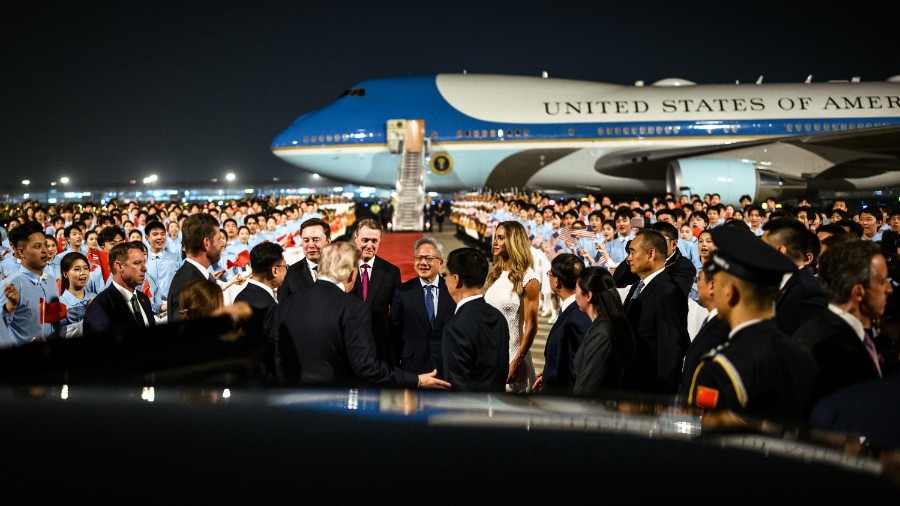
The trilateral is confirmed for Shenzhen on November 19, the first time the three leaders will sit down together. On the table: trade and tariffs, rare earths, AI chips, and the wars in Ukraine and Iran.
Expectations for the meeting itself are low. Joshua Kurlantzick of the Council on Foreign Relations calls the trip “unlikely to produce major gains,” and the VICO model agrees the summit will not be where the deal is struck, but does see possible trade deals between the US and China in the near future.
The one near-term deliverable is a rare-earth reprieve, a 70% probability China extends its export-control suspension past the January deadline.
The trade deal is really two numbers: a coin-flip 30% at the summit itself, but 65% for a signed reciprocal tariff-reduction agreement by February 15. The VICO model argues that China is using its rare earth export controls as leverage to induce a tariff reduction deal with the US.
The VICO Causal Explorer points to what actually moves the deal:
If China agrees to buy US agricultural exports, soybeans specifically, the probability of a tariff-reduction deal jumps from 65% to 89%.
The leadership summit itself has little impact, which suggests the meeting is not necessary for the two sides to reach a deal over time.
Instead, the model highlights the trade truce in place until January 10 as the structural incentive pushing both sides toward a deal.
Ukraine is the longest shot, with a joint Trump-Xi-Putin statement on the war at just 8% and a Russia-Ukraine ceasefire by mid-2027 at 28%.
The consequences over the next six months are more likely than anything that happens on stage: a tariff deal, if it lands, brings tangible relief, and China’s mineral leverage pushes the US elsewhere.