This story and its forecasts were created by the VICO AI model and edited by the VICO editorial team.
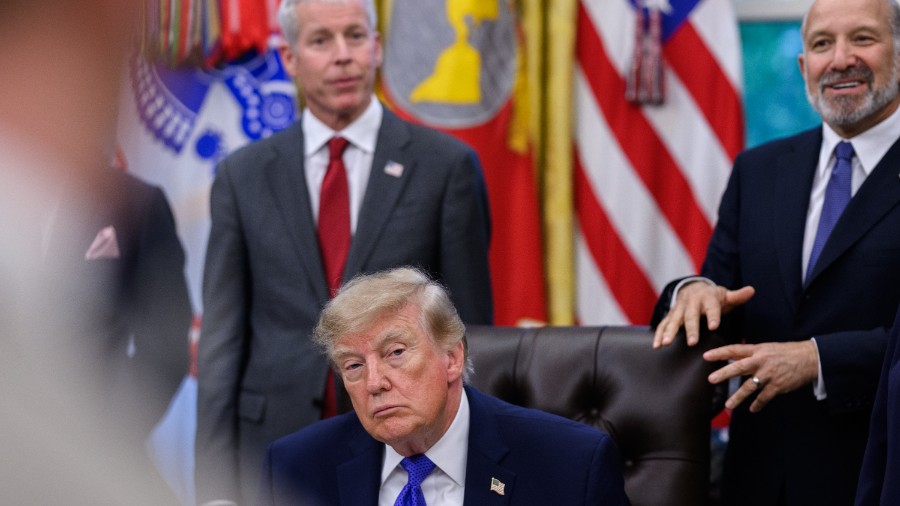
ISSUE: PRESIDENT TRUMP SAYS HE IS CONSIDERING A DIESEL EXPORT BANWith diesel at record highs amid a global supply crunch, Trump has signaled the administration is studying a possible 90-day export ban to bring prices down.
VICO gives it only a 42% chance this year. Pushback is coming from inside the administration, and the model's scenario work suggests the near-term relief a ban could offer would not hold.
REASONING: THE PRESIDENT'S OWN TEAM IS URGING CAUTIONThe model puts the ban below even odds at 42%, in part because Energy Secretary Wright and the American Fuel & Petrochemical Manufacturers have both cautioned against it. When the administration's own energy officials and the refiners a ban would target are both flagging concerns, that weighs against it happening.
The dynamics are also more complicated than they first appear: a ban is meant to ease pump prices before the midterms, and it likely would, for a few weeks. But the model's scenario work suggests that relief fades, and prices could climb back above their pre-ban level once the initial effect wears off.
FORECAST: —
42%: The probability that the US bans or restricts the export of diesel in 2026.
VICO's Scenario Explorer shows why the caution is warranted: a ban likely lowers prices in the first few weeks, but the model expects prices to climb back above their starting point over the following months, alongside political and diplomatic costs.
— 93%: If a ban happens, US gas prices fall within the first few weeks, before reversing and continuing to rise after domestic refineries reduce production.
— 65%: If a ban happens, Trump's approval takes a further hit of at least 4 points once prices rise back above where they started and the public blames him for the reversal.
— 53%: If a ban happens, Mexico imposes retaliatory tariffs on US agricultural goods in response to the sudden diesel deficit.
The takeaway is that a ban may offer a brief window of relief, but the model sees that fading, leaving prices higher than before, alongside a political cost and a possible trade dispute with Mexico. That combination is likely why the president's own advisers are urging caution.