How a US-China AI Deal Could Happen
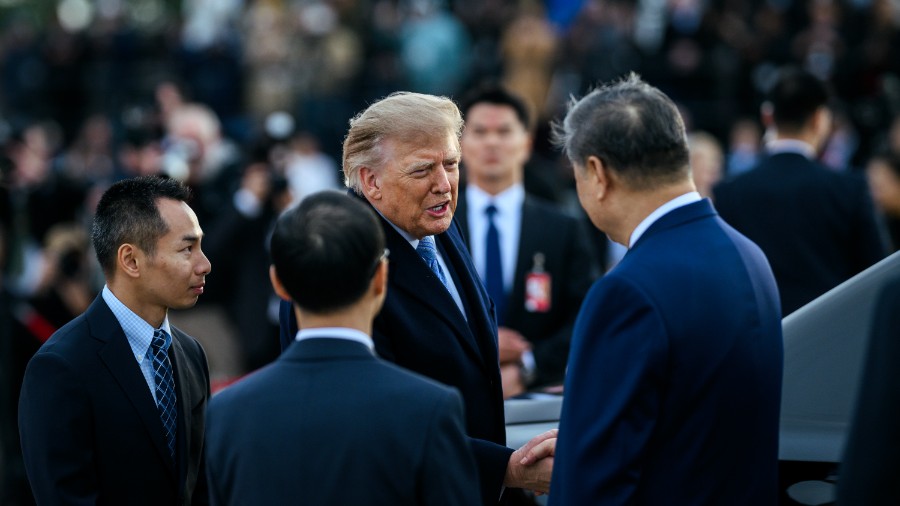
Many are speculating on the possibility of an AI governance agreement between the US and China as Trump meets Xi, but the president has explicitly ruled out international AI governance treaties.
That posture is why VICO gives a major US-China AI governance deal in the next year such a low chance. But a few edge cases could change the president’s mind.
The binding constraint is the president himself. VICO's Causal Explorer puts the odds of him reversing his opposition to international AI treaties at just 7%, so absent a shock, the position holds and the deal does not happen.
The model's Pathfinder tool finds a few routes to that reversal. First, a catastrophic frontier-AI safety incident. The example it gives is a large cyberattack on critical infrastructure publicly attributed to AI, an event severe enough to galvanize political opposition to unchecked AI and force the president into action.
The other most likely path: if China announces a "Mythos-class" frontier model with military integration, catching up on AI and turning it to military use, the US edge erodes and a deal suddenly looks like it serves American interests rather than constraining them.
Barring one of those low-probability shocks, a real governance deal is not coming in the near future. The more likely outcome is a face-saving minimum that neither side has to sacrifice for.
That is the version both can stomach: a channel to flag AI incidents lets each government claim it is managing the risk without limiting its own progress, which is exactly why it is the probable result while a binding deal stays a 2% long shot.