More AI Philanthropy on the Way from Big Tech
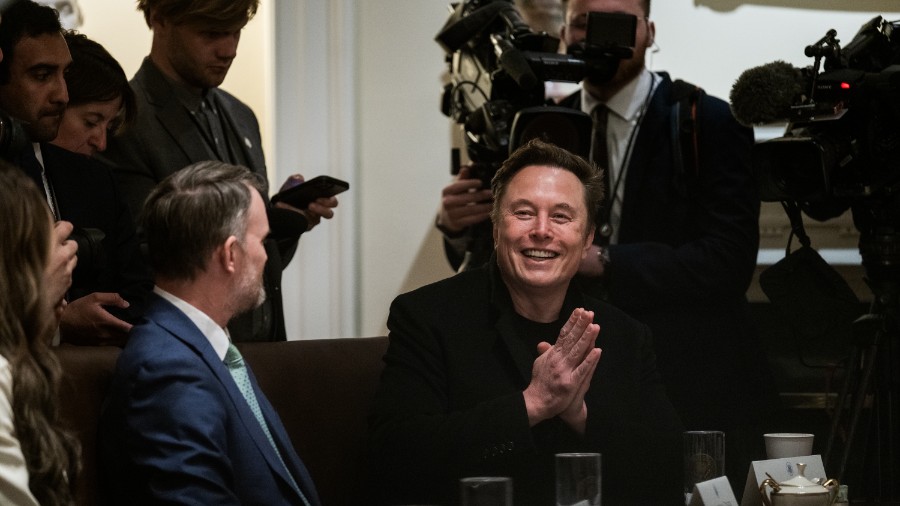
Within days of each other, Elon Musk pledged to give one SpaceX share to every child in America, roughly $10.5 billion worth, and Anthropic committed 5% of its stock to a new public benefit fund, both framed as answers to AI-driven job losses.
With Americans’ fears of AI job displacement at an all-time high, the trend could spread across AI companies as a way to give back, or to head off public animosity and legislation.
The credible version of this trend runs through standing funds, not one-off gestures, and once one lab institutionalizes giving ahead of a listing, the rest face pressure to match it. The model gives 70% that Anthropic’s fund makes its first distribution by the end of 2027, and 56% that another major AI company follows with its own pledge.
The VICO model argues that large AI firms, OpenAI and Anthropic in particular, have a strong incentive to appease regulators and preempt public backlash, ultimately making philanthropic initiatives good for business in the long run.
Elon Musk’s pledge is unlikely to be delivered next year as he suggested, facing large tax and regulatory hurdles, and his public promises historically slip or pivot to a similar but different mechanism.
The model is also low on government action to punish AI firms with higher taxes, since that means weakening a field viewed as crucial to national security.