The VICO Editorial board weighs in on the models interpretation of the SCO: The Xi-Putin-Modi picture is guaranteed. A working economic bloc is not.
This story and its forecasts were created by the VICO AI model and edited by the VICO editorial team.
ISSUE: A show of unity that outruns the substance
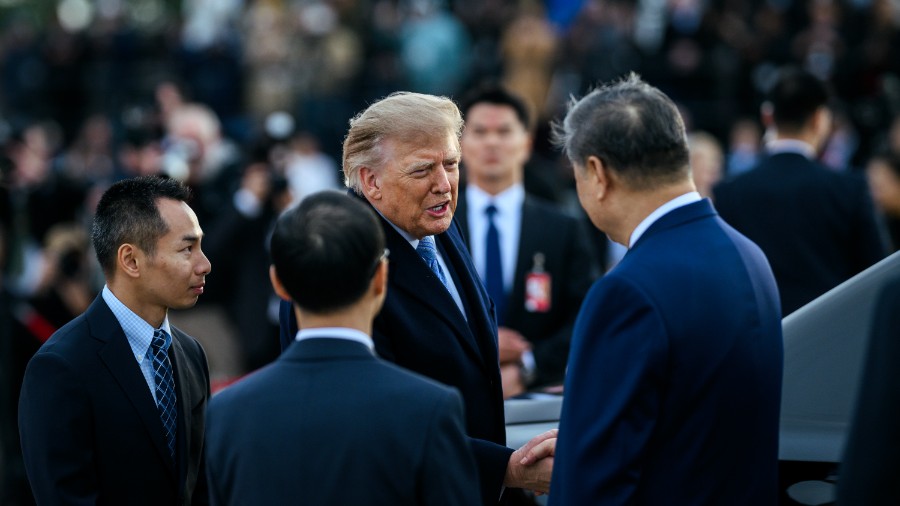
Xi Jinping, Vladimir Putin, and Narendra Modi shared a stage at the Shanghai Cooperation Organisation summit in Bishkek this week, prompting some to speculate about an emerging international bloc. Boosters cast it as a rising rival to the G7 and G20. VICO's read is more skeptical: the members are not nearly as aligned as the photo suggests.
REASONING: One photo, many agendas
The VICO Causal Explorer finds the low odds of cooperation come from many places at once. The building blocks of a real bloc, from customs harmonization to flexible consensus mechanisms, all sit at long-shot probabilities. The members are simply too disparate. Sino-Indian friction, at 74%, is the clearest example, one of several competing agendas inside a consensus-bound group. Factor in differences between India and Pakistan, Central Asian states focused on investment over international power struggles, and NATO member Turkey, and the headline numbers follow: just 11% for a coordinated commitment members actually implement, and 4% for a binding pact.
FORECASTS:
— 74%: The probability that Sino-Indian strategic friction persists over SCO bilateral initiatives.
— 11%: The probability that the SCO issues a coordinated economic commitment all members implement before December 31, 2027.
— 4%: The probability that all SCO members sign a binding, bloc-wide economic agreement before 2028.
SO WHAT: Separate states, not a unified bloc
The summit will generate striking headlines and warm statements, and none of it should be mistaken for a functioning economic bloc. Beneath the group photo sits a set of members with clashing interests, and the groundwork for cooperation barely registers. For anyone weighing the "new G20" narrative, price the picture cheaply.