Russia and Ukraine Move Towards the Negotiating Table
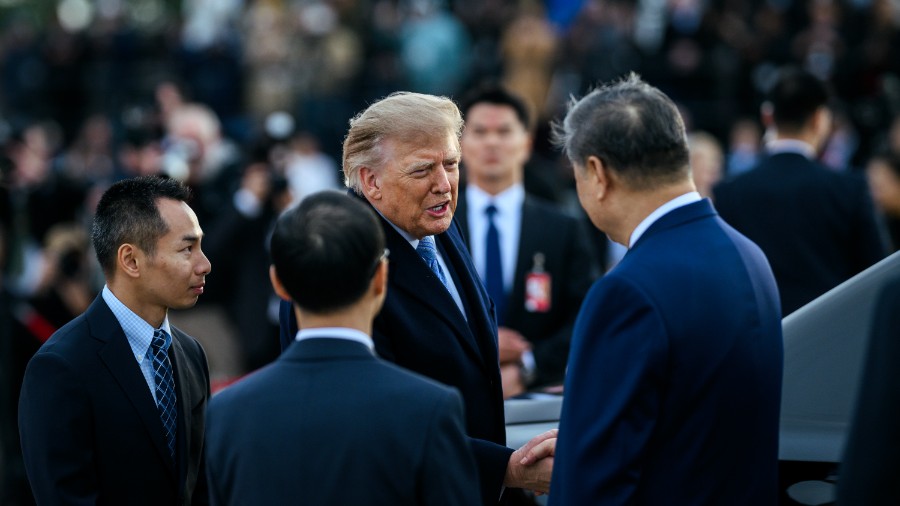
US envoys Witkoff and Kushner shuttled between Moscow and Kyiv this month, meeting Putin and Zelensky within days.
No breakthrough followed, but the model now sees trilateral US-Ukraine-Russia talks as more likely than not by the end of the year.
The VICO Causal Explorer identifies two factors that increase the likelihood of negotiations: continued battlefield deadlock at 77%, and constraints on US Patriot interceptor deliveries to Ukraine at 73%. As either side sees more battlefield success, negotiation odds decrease. The model argues that territorial gains, or firepower supremacy would provide the ascendant party with an incentive to continue the fight.
Together these factors help tilt the year toward negotiations, at 62%.
The main threat runs the other way, in Russia's price of entry, at 29%, a risk that climbs with every Russian advance.
Talks are now the base case, pushed by a stalling front and a Ukraine bracing for a hard winter with thinner defenses.
But getting to the table is not getting a deal. The VICO model's expectations for a ceasefire in 2026 remain low.
20%: The probability that Russia and Ukraine reach a ceasefire in 2026. Versus Polymarket at 23%. The model argues that both sides still remain far apart on core issues like security guarantees and territorial disputes, both of which are unlikely to be ironed out in the next four months.